Your attic plays a major role in controlling your home’s comfort and energy efficiency. During winter, heat naturally rises and escapes through an under-insulated attic. During summer, excessive heat enters through the roof and forces your cooling system to work harder. The right attic insulation R-value helps slow down heat transfer, maintain indoor temperatures, and reduce unnecessary energy costs.
For most homes in colder areas like New York City, the recommended attic insulation level is generally between R-49 and R-60. However, the ideal R-value depends on several factors, including your climate zone, existing insulation, attic condition, and the type of insulation material installed.
If you are considering attic insulation in NYC, understanding R-value can help you make a better decision before upgrading your home’s insulation system.
What Is R-Value in Attic Insulation?
R-value measures how well insulation resists heat flow. The “R” stands for resistance, meaning a higher R-value provides better resistance against heat movement.
When your attic has a high R-value, it slows down the transfer of heat between your living space and the outside environment. This keeps warm air inside during cold months and prevents excessive heat from entering your home during summer.
For example:
- R-30 insulation provides less thermal resistance than R-49 insulation.
- R-49 insulation performs better than R-38 insulation.
- R-60 offers even greater protection against heat transfer.
However, adding more insulation does not automatically solve every attic problem. Proper air sealing, moisture control, and professional installation are equally important for achieving maximum energy efficiency.
Why Attic Insulation R-Value Matters for Your Home
Many homeowners focus on their heating system, windows, or doors when trying to improve energy efficiency. However, the attic is one of the most important areas to inspect because heat naturally moves upward.
Poor attic insulation can cause:
- Higher heating and cooling bills
- Uneven room temperatures
- Cold bedrooms during winter
- Overworked HVAC systems
- Increased heat buildup during summer
- Reduced indoor comfort
A properly insulated attic creates a thermal barrier between your home and the outdoor environment. It helps your HVAC system maintain consistent temperatures without running constantly.
For homeowners looking for attic insulation in NYC, choosing the correct R-value is especially important because New York experiences cold winters, hot summers, and significant seasonal temperature changes.
Recommended Attic Insulation R-Value by Climate Zone
The U.S. Department of Energy recommends different insulation levels depending on climate conditions. Homes in colder regions generally require higher R-values because they experience greater temperature differences between indoors and outdoors.
| Climate Condition | Recommended Attic Insulation R-Value |
| Warm climates | R-30 to R-38 |
| Moderate climates | R-38 to R-49 |
| Cold climates | R-49 to R-60 |
New York City falls within a colder climate region where homeowners typically benefit from higher attic insulation levels.
For many NYC homes, especially older properties, upgrading attic insulation to approximately R-49 or higher can significantly improve energy performance.
What R-Value Is Recommended for Attic Insulation in NYC?
The recommended attic insulation R-value for NYC homes is typically R-49 to R-60, depending on your current insulation and home structure.
Many older homes in New York were built with insulation standards that are lower than today’s recommendations. Some attics may have:
- Thin fiberglass batts
- Settled blown-in insulation
- Gaps around fixtures
- Air leaks around attic openings
- Missing insulation areas
These issues reduce insulation performance even if some insulation is already installed.
A professional evaluation can determine whether your attic needs:
- Additional insulation
- Complete insulation replacement
- Air sealing before insulation installation
For attic insulation in NYC, improving insulation levels can help homeowners maintain warmer indoor temperatures during freezing winters while reducing cooling demand during summer.
Also Read: Top Benefits of Commercial Insulation in NYC
How Much Attic Insulation Do I Need?
The amount of insulation required depends on the target R-value and the insulation material being used.
Insulation thickness varies because different materials have different R-values per inch.
For example:
Fiberglass Insulation
Fiberglass is one of the most common attic insulation materials. It is available in batts and blown-in forms.
Approximate performance:
- R-30 requires around 9–10 inches
- R-49 requires around 15–16 inches
- R-60 requires around 19–20 inches
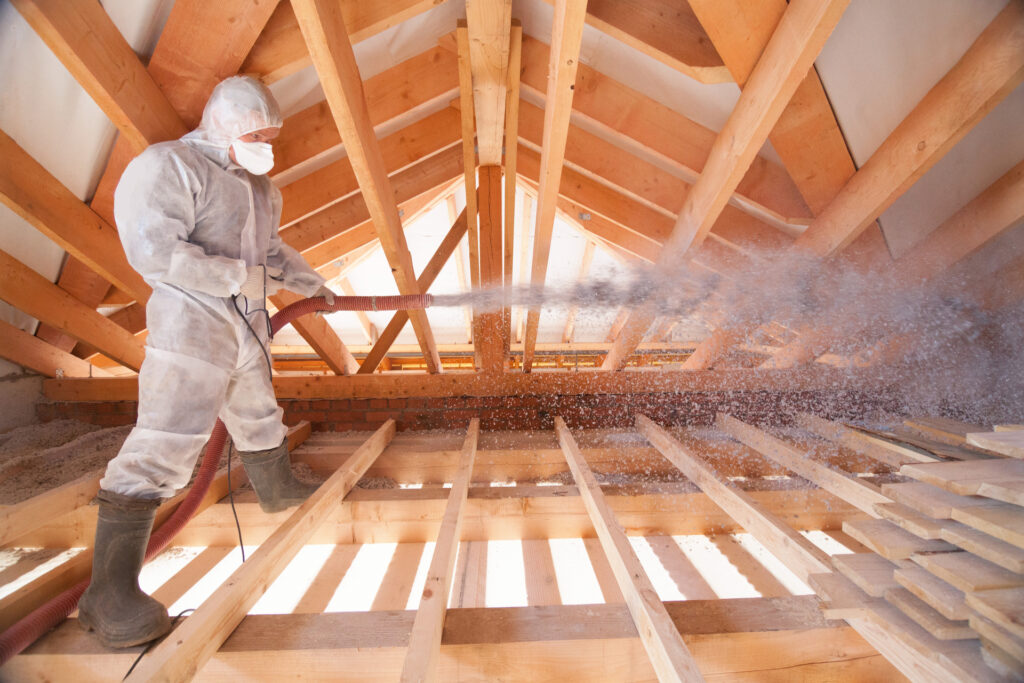
Blown-In Cellulose Insulation
Cellulose is made from recycled paper fibers treated for fire resistance. It works well in attics because it fills small spaces and provides good coverage.
Approximate performance:
- R-49 may require around 14–16 inches
- R-60 may require around 18–20 inches
Spray Foam Insulation
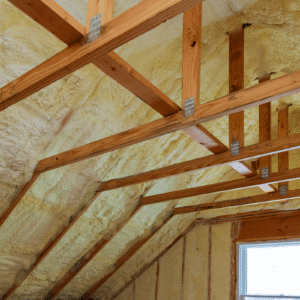
Spray foam provides both insulation and air sealing benefits. It expands into gaps and cracks, creating a stronger thermal barrier.
Because spray foam has a higher R-value per inch, it can achieve better performance with less thickness compared with traditional insulation materials.
Why R-Value Alone Does Not Determine Attic Performance
A common mistake homeowners make is focusing only on the insulation number. While R-value is important, insulation performance depends on the entire attic system.
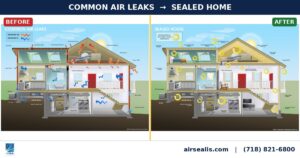
Even high-quality insulation can fail if your attic has uncontrolled air leakage.
Common attic problems include:
Air Leaks
Small gaps around:
- Attic doors
- Electrical fixtures
- Pipes
- Ductwork
- Chimneys
can allow conditioned air to escape.
Before installing new insulation, professional air sealing helps prevent energy loss.
Poor Ventilation
Attic ventilation helps control moisture and temperature. Without proper airflow, attics may experience:
- Excess humidity
- Mold growth
- Roof damage
- Reduced insulation performance
Improper Installation
Insulation must be installed evenly without gaps, compression, or missing areas. Poor installation can create weak spots where heat escapes.
A complete attic insulation upgrade should combine the correct R-value with proper installation techniques.
Signs Your Attic Insulation Needs an Upgrade
Many homeowners do not realize their attic insulation is inadequate until they notice comfort or energy problems.
Common warning signs include:
Increasing Energy Bills
If your heating or cooling costs continue rising without major changes in usage, insufficient insulation may be allowing energy loss.
Uneven Indoor Temperatures
Rooms directly below the attic may feel colder in winter or hotter in summer compared with other areas of the home.
HVAC System Running Constantly
Your heating and cooling system may work harder when insulation cannot maintain indoor temperatures.
Visible Old or Damaged Insulation
If insulation looks compressed, uneven, wet, or deteriorated, it may no longer provide effective thermal protection.
Ice Dams During Winter
Ice dams often occur when heat escapes through the attic and melts snow unevenly on the roof.
Should You Add New Insulation Over Existing Attic Insulation?
In many cases, homeowners can add new insulation over existing insulation if the current material is dry, clean, and in good condition.
However, removal may be necessary when existing insulation has:
- Water damage
- Mold contamination
- Pest problems
- Severe settling
- Poor previous installation
A professional inspection helps determine whether your attic needs removal or simply an insulation upgrade.
Adding insulation without addressing air leaks or moisture issues may not deliver the results homeowners expect.
Choosing the Right Attic Insulation Material for Your Home
The best insulation material depends on your home’s design, budget, and energy goals.
Fiberglass
Benefits:
- Affordable
- Widely available
- Suitable for many attics
Limitations:
- Does not seal air leaks
- Requires proper installation for maximum performance
Cellulose
Benefits:
- Excellent coverage
- Works well in irregular attic spaces
- Environmentally friendly option
Limitations:
- Can settle over time
- Requires proper moisture control
Spray Foam
Benefits:
- Creates an air barrier
- Provides excellent insulation performance
- Seals cracks and gaps
Limitations:
- Higher upfront cost
A professional insulation contractor can help determine which material best matches your home’s needs.
How Professional Attic Insulation Installation Improves Home Efficiency
Installing attic insulation is not just about adding more material. A complete insulation solution requires evaluating your attic as a system.
Professional installation includes:
- Inspecting current insulation levels
- Identifying air leaks
- Selecting the appropriate R-value
- Installing insulation evenly
- Improving energy efficiency
For NYC homeowners, professional insulation work is especially valuable because many properties have unique challenges due to age, construction style, and limited attic space.
Expert Attic Insulation Services in NYC from Air Seal Insulation
Choosing the correct R-value is the first step toward a more comfortable and energy-efficient home. The next step is making sure your insulation is installed correctly.
At Air Seal Insulation, we help homeowners improve comfort and efficiency with professional attic insulation solutions designed for New York homes. Our team evaluates your attic condition, identifies insulation problems, and recommends the right approach based on your property’s needs.
Whether you need insulation upgrades, air sealing, or a complete attic insulation installation, we focus on creating a more efficient thermal barrier that helps your home stay comfortable throughout the year.
If you are searching for reliable attic insulation in NYC, contact us today for an expert evaluation and discover how the right insulation solution can improve your home’s performance.
Frequently Asked Questions
What is the best R-value for attic insulation?
For most homes in colder regions like NYC, an attic insulation level between R-49 and R-60 is commonly recommended.
Is R-60 attic insulation worth it?
R-60 insulation can provide excellent energy efficiency, especially in colder climates. It may reduce heat loss and improve indoor comfort when installed correctly.
How do I know if my attic insulation is enough?
You can check insulation depth, but a professional inspection provides a more accurate assessment of insulation condition, air leaks, and energy performance.
Does attic insulation reduce energy bills?
Yes. Proper attic insulation helps reduce heat transfer, allowing HVAC systems to operate more efficiently and maintain comfortable temperatures.
Should I remove old attic insulation before adding new insulation?
Not always. If existing insulation is dry and in good condition, additional insulation may be installed. Damaged or contaminated insulation may need removal first.