When it comes to creating a comfortable and energy-efficient home, insulation plays a bigger role. It’s not just about keeping your house warm in winter or cool in summer- it affects your energy bills, indoor air quality, and noise levels. But with so many options out there, choosing the right type can feel overwhelming.
Let’s break it down in a way that makes sense, so you can confidently decide what works best for your home.
Why Insulation is Important in Every Home
Before diving into types, it helps to understand what insulation does. In simple terms, insulation slows down the transfer of heat. That means:
- Less heat escaping in winter
- Less heat entering in summer
- Lower energy bills
- More consistent indoor temperatures
In places with extreme seasonal changes, like New York, this becomes important. That’s why many homeowners start looking for residential insulation in NYC when they notice rising utility costs or uneven temperatures at home.
Also Read: How Insulation Can Improve Your HVAC System’s Efficiency
The Main Types of Residential Insulation
Each insulation type has its own strengths, weaknesses, and ideal use cases. Let’s go through the most common ones.
- Fiberglass Insulation
Best for: Walls, attics, and floors
Form: Batts, rolls, or loose fill
Fiberglass is probably the most widely used insulation, and for good reason. It’s affordable, relatively easy to install, and widely available.
Pros:
- Budget-friendly
- Fire-resistant
- Doesn’t absorb moisture easily
Cons:
- It can irritate anybody’s skin and lungs during installation.
- Lower R-value compared to some newer options
Fiberglass is a solid option if you’re looking for cost-effective insulation.
- Spray Foam Insulation
Best for: Hard-to-reach areas, air sealing
Form: Liquid that expands into foam
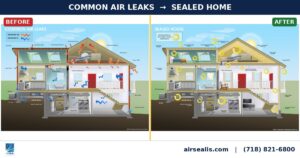
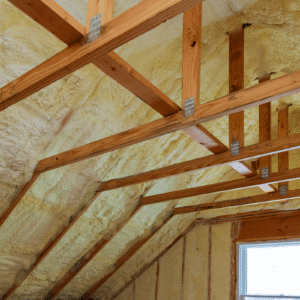
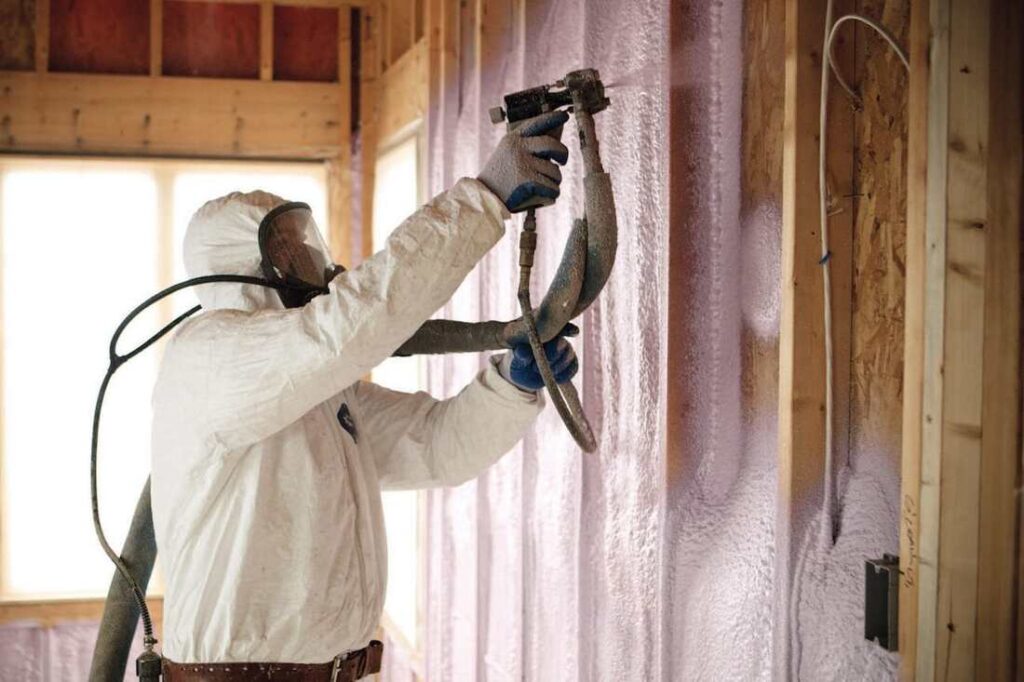
Spray foam is like an overachiever of insulation. It expands to fill gaps, cracks, and tiny openings, making it incredibly effective at sealing air leaks.
Pros:
- Excellent air barrier
- High R-value
- Reduces moisture infiltration
Cons:
- Expensive upfront
- Requires professional installation
If your budget allows, this is one of the most efficient options available, especially for older homes with air leakage issues.
- Cellulose Insulation
Best for: Attics and wall cavities
Form: Loose fill made from recycled paper
Cellulose is an eco-friendly choice that’s gaining popularity. It’s treated with fire-retardant chemicals and is surprisingly effective.
Pros:
- Environmentally friendly
- Good thermal performance
- Fills gaps better than fiberglass
Cons:
- Can settle over time
- Sensitive to moisture if not properly sealed
Cellulose is great for homeowners who want a greener option without sacrificing performance.
- Rigid Foam Board Insulation
Best for: Exterior walls, basements, foundations
Form: Solid panels
Rigid foam boards are dense and durable, making them ideal for areas that need both insulation and structural support.
Pros:
- High insulating value per inch
- Moisture-resistant
- Long-lasting
Cons:
- More expensive than fiberglass
- Requires precise installation
Rigid foamboards are perfect for basements or exterior applications where durability is crucial.
- Mineral Wool (Rock Wool) Insulation
Best for: Soundproofing and fire resistance
Form: Batts or loose fill
Mineral wool is made from natural rock or slag and offers some unique benefits.
Pros:
- Excellent fire resistance
- Great for noise reduction
- Water-resistant
Cons:
- Higher cost than fiberglass
- Heavier and denser
This insulation is best if you want insulation that doubles as soundproofing, which is great for busy urban environments.
- 6. Reflective or Radiant Barrier Insulation
Best for: Hot climates, attics
Form: Foil-based materials
This type of insulation reflects heat rather than absorbing it, making it particularly useful in warmer areas.
Pros:
- Reduces heat gain
- Lightweight
- Easy to install
Cons:
- Not effective in cold climates
- Works best when combined with other insulation
This is not a standalone solution for most homes, but a helpful addition in specific situations.
Also Read: What Is The Best Insulation For An Attic Ceiling?
Which Insulation Is the Best?
The best insulation isn’t the most expensive one. It’s the one that matches your home, your climate, and how you use your space.
- Your Climate
If you live somewhere with cold winters and hot summers like NYC, you’ll want insulation with a high R-value and strong air-sealing properties.
- Your Budget
- Low budget: Fiberglass
- Mid-range: Cellulose or mineral wool
- High-end: Spray foam
- Your Home’s Structure
Older homes often benefit more from spray foam because of air leaks, while newer homes may do just fine with fiberglass or cellulose.
- Your Priorities
- Want eco-friendly? → Cellulose
- Want maximum efficiency? → Spray foam
- Want soundproofing? → Mineral wool
A Quick Comparison
| Fiberglass | Low | Moderate | General insulation |
| Spray Foam | High | Very High | Air sealing + efficiency |
| Cellulose | Medium | High | Eco-friendly insulation |
| Foam Board | Medium | High | Basements, exteriors |
| Mineral Wool | Medium | High | Sound + fire resistance |
| Radiant Barrier | Low | Situational | Hot climates |
What Works Best for NYC Homes?
Homes in New York face a mix of freezing winters and humid summers, which makes insulation choices especially important. That’s why many experts recommend a combination approach when dealing with residential insulation in NYC:
- Spray foam for sealing gaps and preventing drafts
- Fiberglass or cellulose for filling larger areas
- Rigid foam boards for basements and exterior walls
This strategy often delivers the best balance between performance and cost.
Final Thoughts
Choosing insulation isn’t just a technical decision. It’s a long-term investment in your home’s comfort and efficiency. While it might be tempting to go for the cheapest option, better insulation can pay for itself through lower energy bills and improved living conditions.
If you’re unsure where to start, consider getting a professional energy audit. It can reveal exactly where your home is losing energy and help you choose the most effective solution. At the end of the day, the best insulation is the one that fits your home and your goals.
Trust the Experts for Lasting Comfort
If you’re unsure about where to start or which option is right for your home, you don’t have to figure it out alone. Hire Air Seal Insulation Systems! We understand NYC’s older buildings with hidden air leaks and modern spaces that need high-efficiency solutions.
If you’re ready to make your home more comfortable and efficient, trusting our professionals in Air Seal Insulation Systems is a smart step forward. Your home and your energy bills will soon show you the result.