Cold floors in winter, a musty smell that never clears, and a heating bill that climbs every year often trace back to the same neglected spot: the low space under your first floor. Fixing it is one of the better returns in the house, and crawl space insulation is the job that does it. The cost swings widely, so knowing the 2026 numbers before you call anyone keeps you from overpaying or under-buying.
Here is the quick answer. Crawl space insulation costs about $1,500 to $8,000 in 2026, and a typical 1,000-square-foot space runs $2,000 to $4,000. Fiberglass batts start near $0.30 to $1.50 per square foot, closed-cell spray foam runs $2 to $5, and full encapsulation costs $3,000 to $15,000. Your price comes down to three things: the material, the size, and how much moisture the space is holding.
Why Crawl Space Insulation Pays for Itself
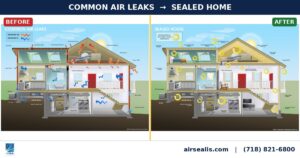
Before the numbers, understand what you are actually buying, because this is not a cosmetic upgrade. The air in that crawl space does not stay down there. Warm air rises and pulls air upward through the house, so a large share of what you breathe on your first floor, by some estimates close to half, starts in the crawl space. Cold, damp, moldy air below becomes cold, damp air in your living room.
That is why an uninsulated or poorly insulated crawl space shows up as cold floors, high energy bills, musty odors, and mold. The floor above sits directly over unconditioned air, so your heating and cooling fight a losing battle all year. Good crawl space insulation breaks that cycle, warms the floors, cuts the load on your system, and keeps ground moisture from feeding mold and pests. The comfort you feel upstairs is the point, and the lower bill is the bonus.
What Crawl Space Insulation Costs by Material in 2026
Material is the single biggest driver of your bill, and the cheapest option is rarely the right one below grade. Here is what each type costs installed in 2026, and where it belongs:
| Material | Installed cost per sq ft | Best for |
| Fiberglass batts | $0.30 to $1.50 | Dry, vented subfloors only |
| Open-cell spray foam | $1.00 to $3.50 | Interior, dry cavities |
| Rigid foam board | $2.50 to $3.00 | Foundation walls |
| Closed-cell spray foam | $2.00 to $5.00 | Damp, below-grade crawl spaces |
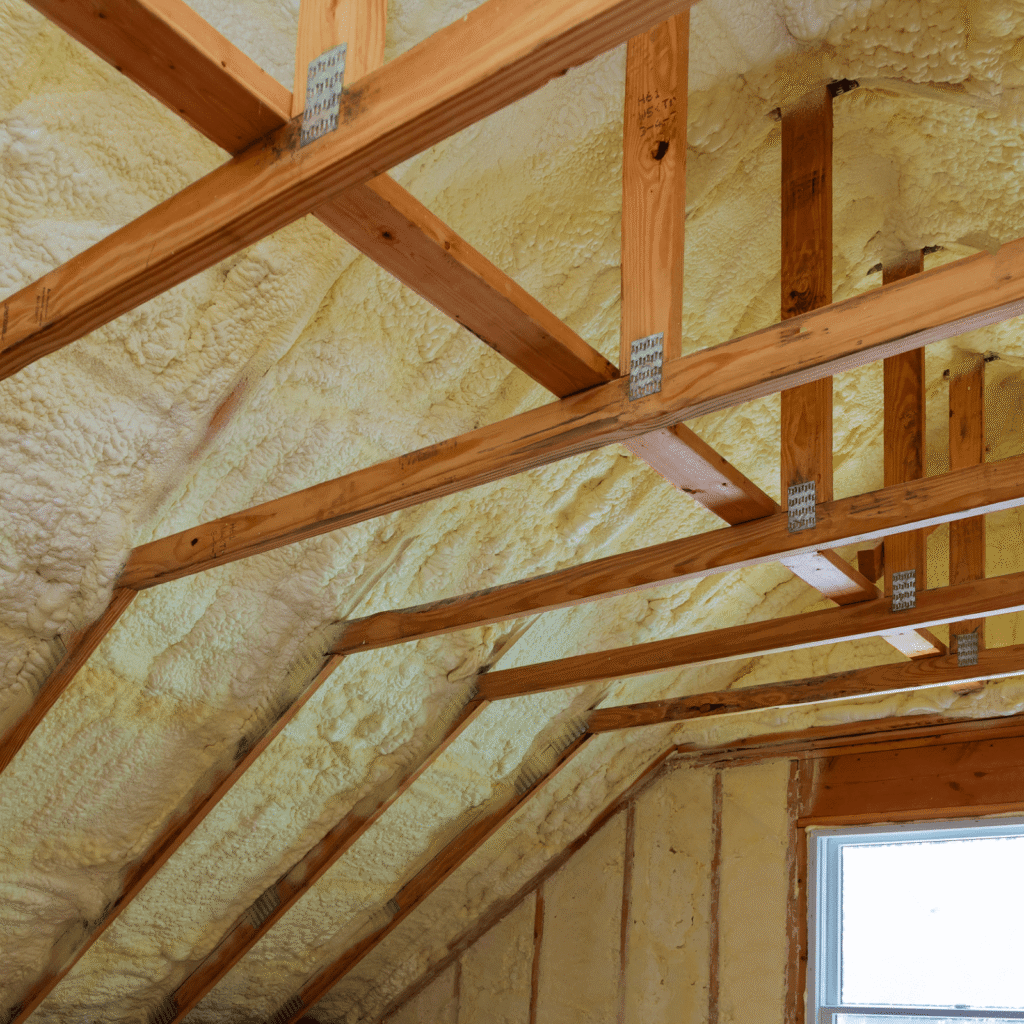
Fiberglass wins on price and nothing else in a crawl space, since it soaks up moisture. Closed-cell spray foam costs the most per square foot, and it earns it in a damp space because it delivers a high R-value of about 6 to 7 per inch and acts as its own air and moisture barrier in one step. Rigid foam board fits foundation walls well, and open-cell foam suits drier interior cavities. For a standard 1,000-square-foot crawl space, that spread means the material choice alone can move your total by a few thousand dollars.
Why Your Final Crawl Space Insulation Bill Varies So Much
Two homes with the same square footage can get quotes that are thousands apart, and the difference lives in the prep, not the foam. The line items that swing the total are:
- Size and wall height. Most crawl spaces run 250 to 2,500 square feet, and taller walls mean more area to cover.
- Old insulation removal. Spray foam cannot go over old or wet fiberglass, so pulling it out adds $0.75 to $2.00 per square foot, or a flat $500 to $1,800.
- A vapor barrier. A 12 to 20 mil barrier runs $1,200 to $4,000 installed and is standard for a damp space.
- Cleaning and repairs. Mold removal, pest control, and minor foundation or vent fixes range from $500 to $8,000 depending on condition.
- Sealing foundation vents. Closing 4 to 8 vents adds $150 to $450.
- Labor and location. Labor is $0.50 to $1.30 per square foot and can reach 45 to 60 percent of a spray-foam job, and dense metro areas run higher.
The lesson here is plain. A dry, clean crawl space is a cheap job, and a wet, moldy one is not, because the space has to be fixed before any insulation goes in.
How Crawl Space Design Affects Insulation Cost
The method your home needs changes both the cost and where the insulation goes. A vented crawl space, the older style with open foundation vents, gets insulation in the subfloor between the floor joists, plus the rim joists. This is the lower-cost path, and it is the only place fiberglass belongs, in a dry, vented subfloor.
A sealed, or encapsulated, crawl space is the modern approach, and it fits the humid tri-state climate well. Instead of the subfloor, the foundation walls and rim joists get insulated, the vents are sealed, a heavy vapor barrier covers the floor and walls, and a dehumidifier keeps the air dry. Full encapsulation runs $3,000 to $15,000, averaging around $5,500, and climbs toward $10 per square foot when heavy moisture, mold, or structural repairs are in the mix. It costs more up front, and it solves the moisture problem at the root, which is why it lasts.
Why Cheap Fiberglass Often Costs You Twice
This is the mistake that empties wallets slowly. Fiberglass batts look like a bargain at $0.30 to $1.50 per square foot, so they are the default in many older crawl spaces. In a damp, below-grade space, though, fiberglass acts like a sponge. It absorbs ground moisture, grows heavy, sags off the joists, feeds mold on the paper facing, and loses most of its insulating value in the process.
When that happens, you are not done, you are starting over. Now you pay to remove and dispose of the ruined fiberglass, fix any mold it grew, and install the closed-cell foam or encapsulation you could have chosen the first time. Two jobs instead of one, plus the mold cleanup in between. Spending more on the right material once, in a space that stays damp, is almost always cheaper than buying the cheap option twice.
How to Lower Your Crawl Space Insulation Cost in 2026
The way homeowners save on this changed this year, so beware of outdated advice. The federal Section 25C tax credit that used to return 30 percent of insulation costs ended on December 31, 2025. According to the IRS, the Energy Efficient Home Improvement Credit no longer applies to property placed in service after that date, so a crawl space insulation project done in 2026 gets no federal credit, whatever older web pages still claim.
The savings now come from state and utility programs, which are alive and worth chasing. In the New York and tri-state area, incentives like EmPower+ and utility energy rebate programs can offset part of the cost, and income-qualified households may get more. Beyond rebates, a few moves keep the number down:
- Fix moisture and drainage first, so you are not paying to redo insulation later.
- Bundle removal, sealing, and insulation into one visit to save on mobilization.
- Get more than one detailed quote that lists material, R-value, and prep separately.
- Choose the right material once for your conditions rather than the cheapest.
FAQs
How much does it cost to insulate a 1,000-square-foot crawl space?
Most 1,000-square-foot crawl spaces run $2,000 to $4,000 with standard materials, and more if the space needs old insulation removed, mold cleaned, or full encapsulation. Material and moisture conditions set the final price.
Is spray foam or fiberglass better for a crawl space?
Closed-cell spray foam is better for most crawl spaces because it resists moisture and air-seals in one step. Fiberglass is cheaper but absorbs water below grade, so it sags and molds unless the space is dry and vented.
Does crawl space insulation include a vapor barrier?
Not always. A vapor barrier is a separate line item, usually $1,200 to $4,000 installed, and it is standard for damp spaces and full encapsulation. Ask whether a quote includes it, since it changes the total.
Is there still a tax credit for crawl space insulation in 2026?
No federal one. The Section 25C credit ended December 31, 2025. Insulation installed in 2026 does not qualify for a federal credit, though state and utility rebates remain available.
Why is my crawl space insulation quote so high?
High quotes usually reflect prep, not just foam. Removing wet insulation, treating mold, sealing vents, adding a vapor barrier, and full encapsulation all stack on top of the base material cost.
Get Warmer Floors with Proper Crawl Space Insulation
Every winter you leave that crawl space bare, you are paying to heat air that leaks straight through cold floors, and you are letting ground moisture drift up into the rooms where your family sleeps. The bill and the mold both grow while the space stays out of sight and out of mind.
We at Air Seal Insulation are a spray foam and thermal insulation team with over 20 years across the New York, New Jersey, and Philadelphia metro areas. We walk the crawl space, check it for moisture and old insulation, and give you a clear, itemized quote that separates material, R-value, and prep, so you know exactly what you are paying for. We match the method to your home, whether that is subfloor work in a dry vented space or full wall insulation and encapsulation in a damp one.
Stop paying to heat the ground under your house. Reach out to Air Seal Insulation for a crawl space insulation assessment, and get warmer floors and a lower bill locked in before the cold sets in.