
Keeping an older home warm has never been more important. Energy prices keep rising, winters feel longer, and homeowners want better comfort without wasting money. Many people today look for modern options like residential spray foam insulation in NYC, but every home is different. Older houses need special care because they were built before today’s energy-efficient standards. The good news is that 2026 brings smarter materials and easier ways to seal drafts, cut bills, and improve comfort. In this blog, we’ll discuss the best insulation methods for old homes and explain how you can get great results without major renovations.
How Older Homes Lose Heat Before Choosing Any Insulation
Old homes usually leak heat from places most people don’t notice. Before you dive into insulation upgrades, it helps to know where the problems start. Heat often escapes from:
- Attics and crawl spaces
- Drafty walls
- Gaps around windows and doors
- Basements and rim joists
- Old vents, plumbing holes, and wiring paths
Most homes built before the 1980s lack a proper air barrier. That’s why even the best insulation won’t work well unless the home is sealed first. In 2026, energy auditors use thermal cameras and blower door tests to locate gaps fast. Doing this step gives you a clear plan and saves money because you only fix what’s needed.
Upgrade the Attic First: The Easiest and Most Cost-Effective Fix
If you’re unsure where to start, choose the attic. More than half of a home’s heat loss happens upward. Insulating the attic gives the biggest return on investment, and you’ll notice the difference right away.
Here are your best attic options:
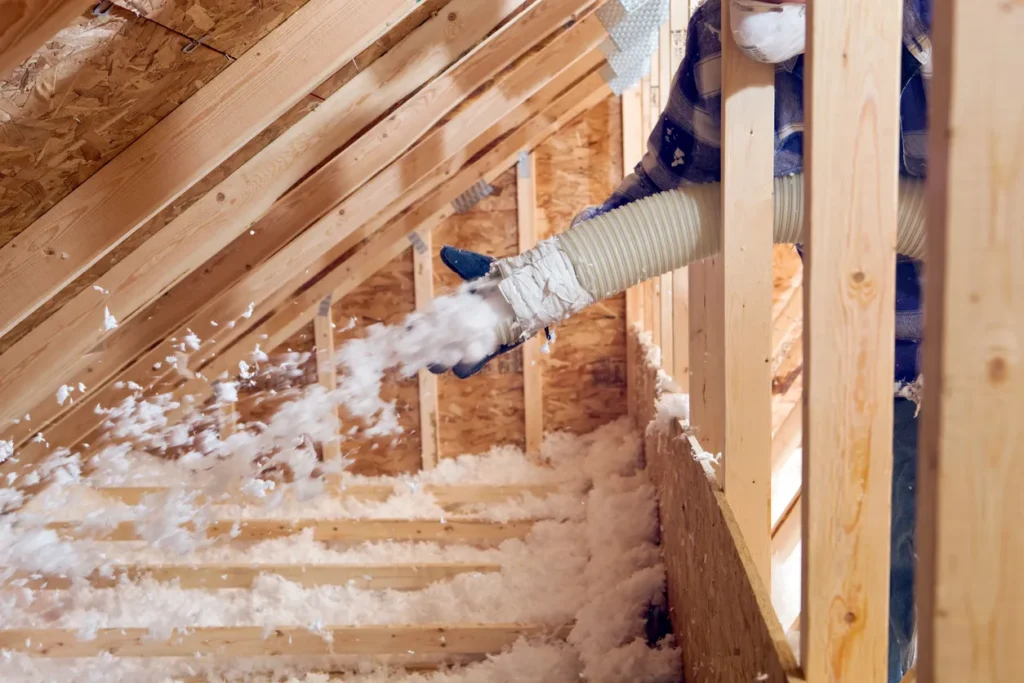
Blown-In Cellulose
Cellulose is a top pick for older homes. It’s recycled, fire-treated, and great at filling uneven spaces. It works well in homes with odd framing or shallow cavities. Cellulose also helps block sound, which is a bonus in busy neighborhoods.
Fiberglass Batt or Blown-In
Fiberglass remains a classic. It is affordable and quick to install. It performs best when paired with air sealing to block drafts.
Spray Foam for Maximum Air Seal
Spray foam is the powerhouse of attic insulation. It seals and insulates at the same time. Open-cell foam is great for sound control, while closed-cell foam adds moisture protection and strength. Homeowners who want long-term savings often choose spray foam when their budget allows.
Seal All Air Leaks for Instant Savings
Many older homes feel cold because of air leaks, not poor insulation. So after handling the attic, seal the drafts. This is one of the simplest upgrades you can do in 2026.
Focus on:
- Window frames
- Door frames
- Electrical outlets
- Baseboards
- Plumbing cutouts
- Attic hatches
Use caulk for small cracks and spray foam for larger gaps. Weatherstripping on doors makes an immediate difference. These tiny fixes can cut energy waste by more than 20%.
Also Read: can you paint spray foam insulation?
Add Wall Insulation Without Major Renovation
Most older homes have empty wall cavities. Opening the walls can be expensive, but the good news is that you don’t have to. Modern techniques make the job fast and clean.
Dense-Pack Cellulose
Dense-pack cellulose is injected through small holes in the wall. It fills the cavity completely and stops air movement. Installers patch the holes and leave your walls untouched.
Injection Foam
Injection foam flows into tight spaces and expands lightly. It is ideal for homes with plaster walls or narrow cavities. It also reduces outside noise.
Spray Foam Applications
In some older homes, spray foam can be added through open cavities, remodels, or exterior siding projects. It gives the highest R-value and helps with moisture control.
Upgrade Basement and Crawl Space Insulation to Stop Cold Floors
Cold floors are one of the biggest complaints in older homes. The problem usually comes from uninsulated basements, crawl spaces, and rim joists. When these areas are sealed, the whole home feels warmer.
Insulating the Rim Joists
The rim joist is the band of wood around your home’s foundation. In older houses, it is often exposed, allowing cold air to rush in. Closed-cell spray foam is the best choice here. It seals gaps, blocks moisture, and adds structure.
Crawl Space Insulation
In 2026, the recommended method is to seal and insulate a crawl space instead of leaving it vented. This keeps moisture out and protects the home from mold, pests, and drafts. Closed-cell spray foam or rigid foam boards work best on crawl space walls.
Basement Walls
Rigid foam boards help keep basement walls warm and dry. They also reduce the chance of condensation, which is common in older foundations.
Upgrade Windows Without Replacing Them
Replacing windows can get expensive fast, and many old homes have unique frames worth keeping. Luckily, you can boost insulation without replacing the whole unit.
Here’s what works:
- Add interior storm windows
- Use weatherstripping
- Apply window film in winter
- Use insulated curtains
Interior storm windows are one of the best upgrades in 2026. They’re affordable, look clean, and reduce heat loss as much as a full replacement window.
Benefit From Modern Spray Foam Solutions
Spray foam remains one of the strongest insulation options in 2026 because it creates an airtight barrier. Many homeowners looking for residential spray foam insulation in NYC choose it for three key reasons:
- It stops drafts completely
- It adds a high R-value in small spaces
- It helps control moisture
Older homes often have tricky nooks, uneven cavities, and hidden gaps. Spray foam handles these problems easily. It works well in attics, basements, crawl spaces, and rim joists. While spray foam costs more upfront, the long-term energy savings often offset the investment.
Add Radiant Barriers for Homes in Hot Climates
Not every insulation upgrade is about winter heat loss. In areas with hot summers, radiant barriers help reflect heat out of the home. These are thin reflective sheets installed under the roof deck. They reduce attic temperatures and lessen the load on air conditioning. While not a substitute for insulation, radiant barriers work well when paired with attic insulation.
Work With Professionals Who Understand Older Homes
Insulating an older home requires skill. The framing, materials, and layout differ from modern construction. A trained professional can evaluate where energy loss is highest and recommend the right solution.
At Air Seal Insulation, our professionals provide expert residential spray foam insulation services. They use the highest-quality insulation and apply it carefully, sealing all gaps and cracks.
Contact us and discuss your requirements.

